 How to Become a Net Zero Company
 Carbon Offsetting for Businesses Explained
 How Businesses Can Purchase Carbon Removals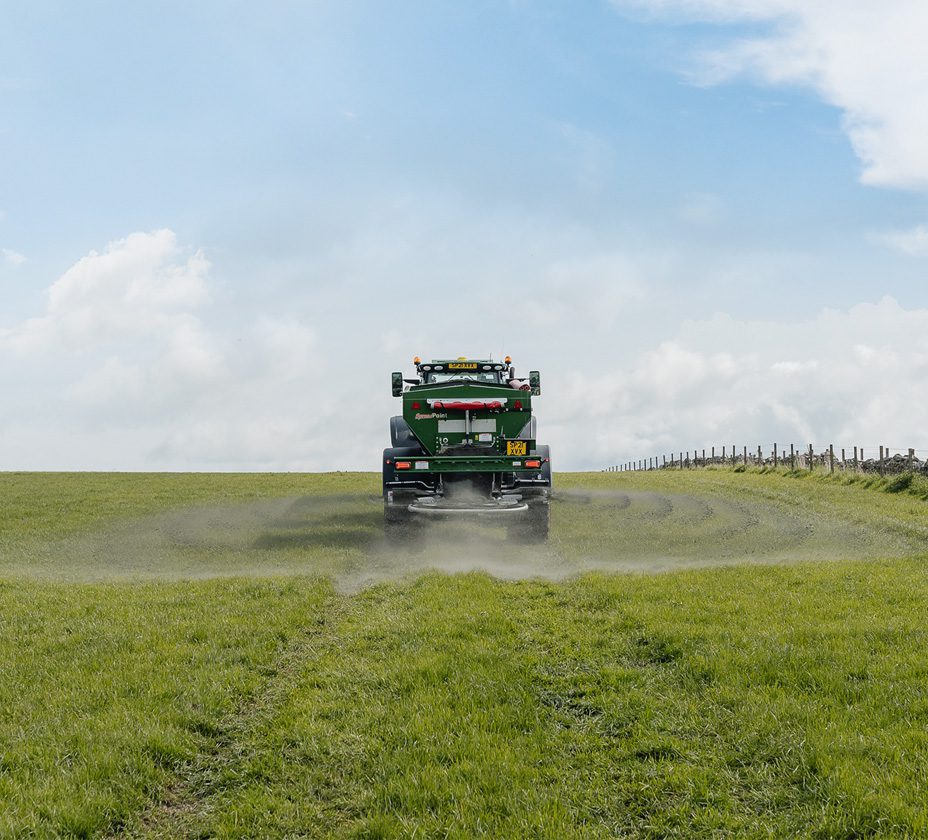
 Speak to our Farming Manager
 The Kingston Wollastonite Rebate 2026
 UNDO Farmers Program in Canada
 How Silicon Boosts Crop Health
 All Resources
 Farmer & Landowner FAQs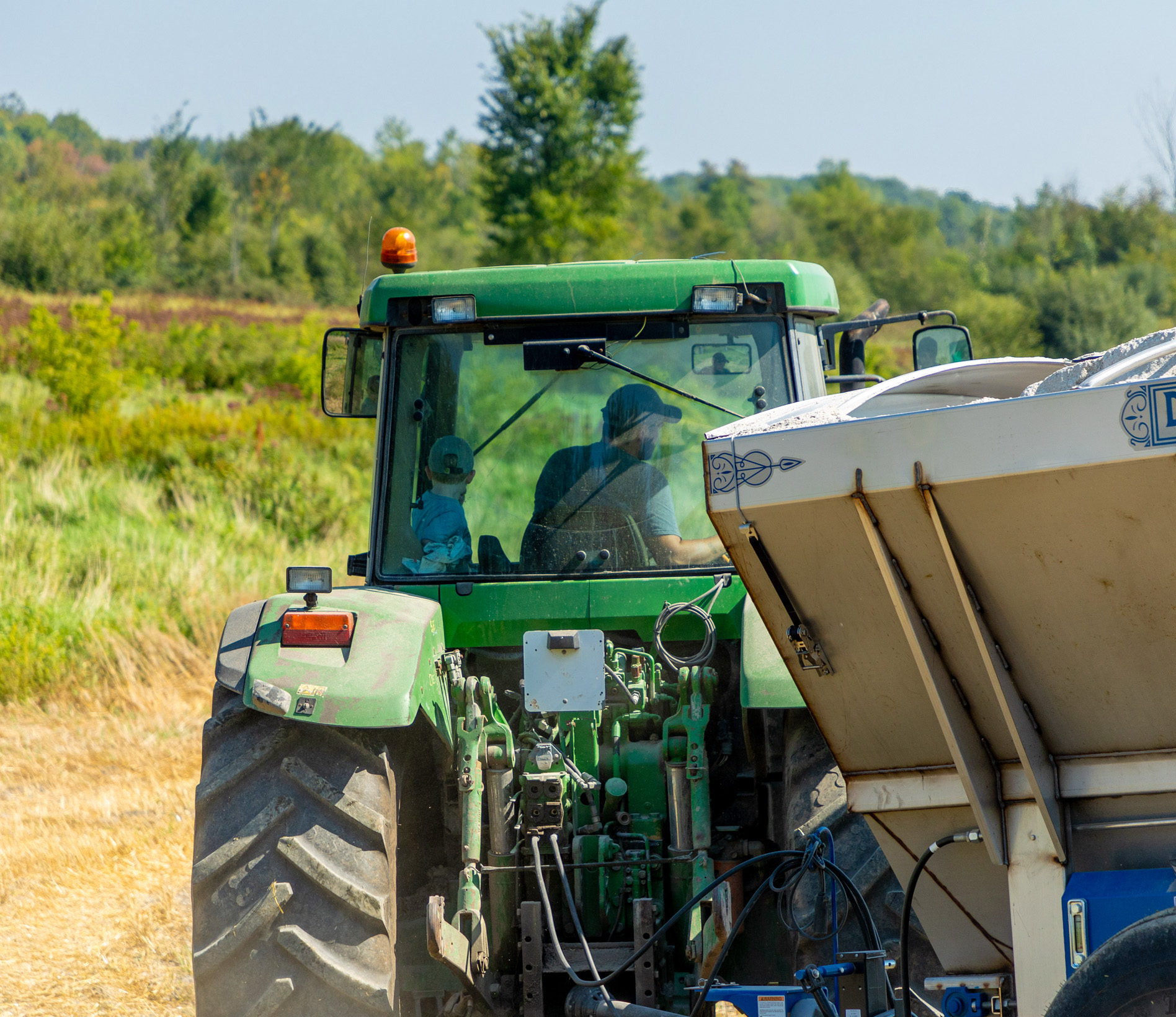
 Our Science
 Our Technology
 Our Partners
 Climate Glossary
 Downloads
 Podcasts
 In the Media
 " />
" />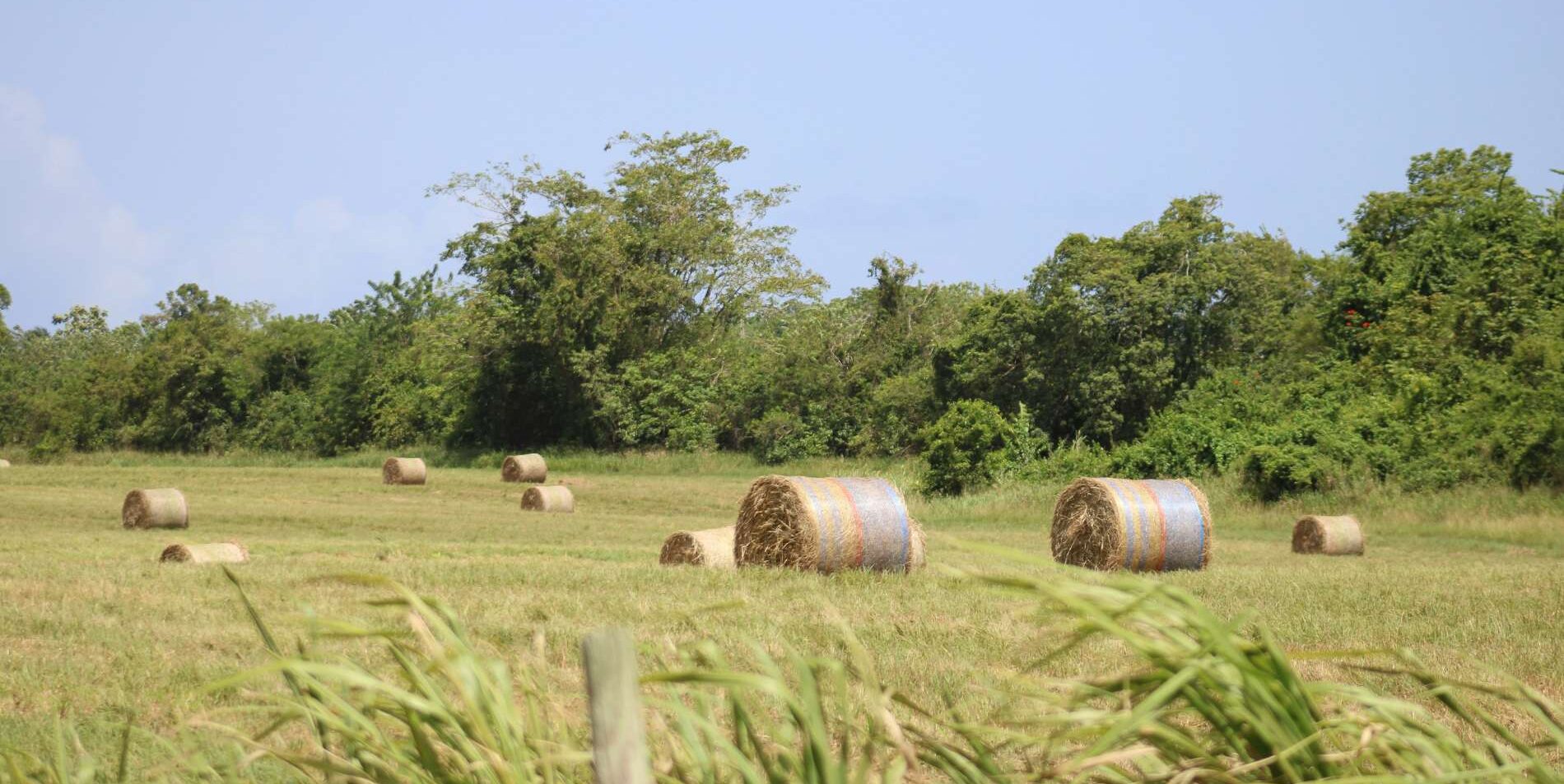
By early summer in Eastern Ontario, fields are already telling a story. Hay stands are being cut, pastures are working hard, corn is pushing through its early growth stages, and farmers are watching how each field responds to heat, moisture, traffic, and nutrient demand.
Calcium is one of the quieter parts of that story, but it plays an important role. It helps support soil structure, root development, nutrient movement, and plant strength. For mixed farms growing hay, pasture, corn, soybeans, wheat, or forage crops, that foundation can influence how well a field performs through the season.
Wollastonite is a naturally occurring calcium silicate mineral sourced locally in Eastern Ontario. Through the UNDO farmer program, it is applied to farmland as a crushed mineral amendment, providing calcium and silicon while also supporting long-term soil and crop health.
For farmers, the value is practical. Wollastonite can fit into existing field operations, support soil health over time, and add another tool to the wider soil management plan.
A Calcium And Silicon Source From Eastern Ontario

Wollastonite is composed primarily of calcium, silicon, and oxygen. Its chemical formula is commonly written as CaSiO₃, which means it is a calcium silicate mineral.
The wollastonite used in UNDO’s Eastern Ontario program comes from Canadian Wollastonite near Seeley’s Bay, a local mineral deposit with a long-standing connection to the region. This local supply is part of what makes the program practical for nearby farms, reducing the distance material needs to travel and complementing neighbouring soil types.
When finely crushed wollastonite is applied to farmland, natural weathering gradually releases calcium and silicon into the soil. These nutrients are already well understood in agriculture, but they are not always front of mind in day-to-day fertility planning.
Calcium is often discussed in relation to soil structure, nutrient exchange, root growth, and plant tissue strength. Silicon is increasingly recognized as a beneficial element that can help crops build stronger tissues and better tolerate certain stresses.
Together, they make wollastonite a useful mineral amendment for farmers who are thinking about longer-term soil condition, not just the next application window.
Calcium Supports The Conditions Roots Need
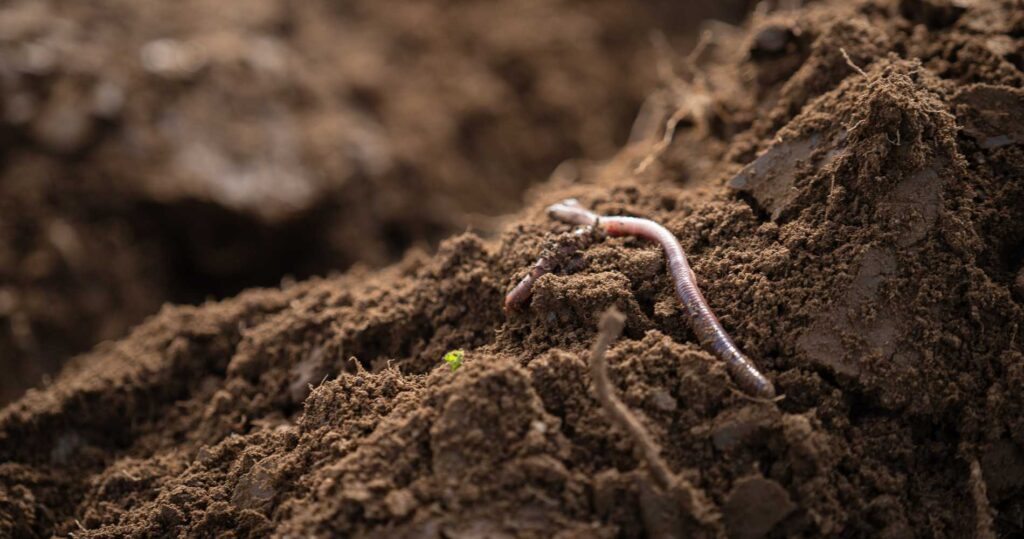
Good rooting depends on more than seed choice or rainfall. It is shaped by the soil environment around the plant, including structure, aeration, drainage, nutrient availability, compaction, organic matter, and the balance of minerals in the root zone.
Calcium helps influence how soil particles interact. In many soils, especially heavier-textured fields, calcium can support aggregation, helping fine particles form more stable structures. Better aggregation can improve the way air and water move through the soil profile, giving roots a better environment to grow through.
Better aggregate stability and stronger root growth are particularly relevant in Eastern Ontario, where many farms are working with clay-heavy soils, changing weather, and short windows for fieldwork. When soil holds its structure more effectively, it can maintain better pore space for air, water, and roots. That can help ease some compaction-related pressure, support more even drainage, and give crops a better environment to grow through wet springs, dry spells, and busy harvest periods.
Calcium is not a standalone solution for compaction, drainage, or soil health. It works as part of a wider system. But it is an important part of the foundation that helps soils function well.
A Seasonal Fit For Hay, Pasture, And Forage Systems
Hay season is a useful time to discuss calcium because forage systems place significant demands on the soil.
Alfalfa hay can be especially nutrient-intensive, particularly when it is cut several times throughout the year and sold for feed quality. Hay and pasture may receive fewer inputs, often because economics are tighter, but soil conditions still affect stand density, recovery after cutting or grazing, and root development.
As the season moves through first cut, regrowth, and later summer pressure, farmers can often see which fields are holding up well and which ones are struggling. Thin stands, slower regrowth, poor rooting, or uneven patches can point to wider soil constraints that build up over time.
Wollastonite is not a quick fix for every field issue. It is better understood as a longer-term mineral amendment that can support the soil environment that crops rely on. That makes it a good fit for farms looking to strengthen resilience across rotations.
Nutrient Balance Starts In The Root Zone
Most nutrient decisions begin with soil tests, field history, crop removal, and yield goals. Farmers and agronomists are already looking at phosphorus, potassium, pH, and other key indicators to decide what needs to go back into the field.
Calcium fits into that wider nutrient picture. In the soil, calcium influences cation exchange processes, which affect how positively charged nutrients are retained and released. More calcium on the cation exchangers (clay mineral surfaces) is what creates soil aggregation and makes the calcium available to the plant without being washed away.
In the plant, calcium supports cell walls, membrane function, and growing tissues. It also moves differently from some other nutrients. Calcium travels mainly from the roots to the leaves through the transpiration stream. As water moves through the soil and into the plant roots, it carries calcium with it. Once the water leaves the plant, calcium is left behind in the tissues, which means it does not easily move back around to support new growth.
Because of this, healthy root access and steady calcium availability matter. This is especially important during active growth, when calcium demand increases as crops build new tissues, recover after cutting, or prepare for reproductive stages.
Wollastonite is best understood as a long-term mineral amendment that increases the soil’s calcium levels over time. Its value lies in supporting conditions that help crops access nutrients, build strong root systems, and grow well throughout the season. For specific calcium deficiencies, farmers should continue to follow soil test results and agronomic advice.
Silicon Adds Another Layer Of Crop Support
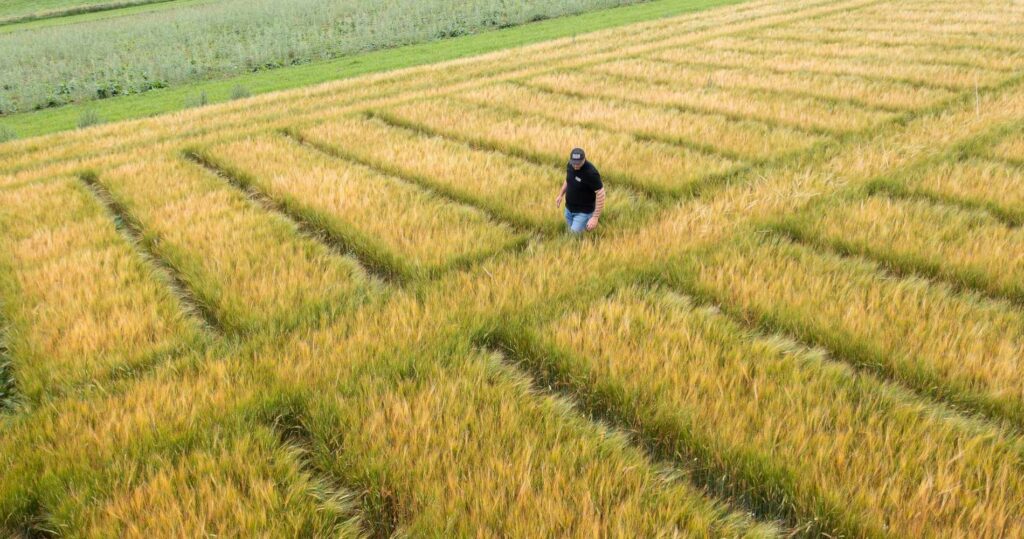
Alongside calcium, wollastonite also supplies silicon. Silicon is not always included in standard nutrient programs, but research has linked it to stronger plant tissues, stress tolerance, and disease resistance in several crops.
In a Rutgers University study, wollastonite increased soil silicon, supplied silicon to plants, and improved resistance to powdery mildew. Other research on silicon has shown potential benefits for crop growth and resilience, including studies in wheat and rice systems.
For Eastern Ontario farmers, the important point is not that silicon replaces existing crop protection or fertility planning. It is that wollastonite brings calcium and silicon together in one locally sourced mineral amendment, adding another layer of support for soil and crop health.
Built Around Eastern Ontario Farms

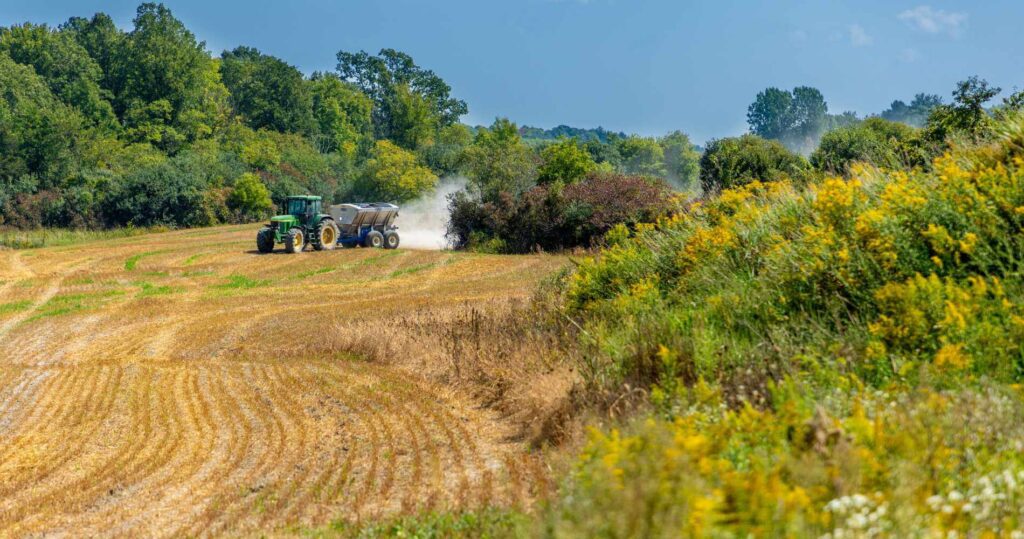
One of the strengths of wollastonite application is that it can fit into normal field operations. It can be spread using standard agricultural equipment, without taking land out of production or requiring a change in rotation.
That matters in Eastern Ontario, where timing is everything. Spring planting, hay cuts, spraying, harvest, and weather windows all compete for attention. A soil amendment only works at scale if it fits around the farm calendar.
Wollastonite also sits at the centre of UNDO’s enhanced rock weathering work. As the calcium silicate mineral weathers in the soil, it supports crop and soil health while also reacting with carbon dioxide in rainwater and soil water. This is the natural process UNDO measures and verifies in the background, allowing the carbon value to help fund the program for farmers.
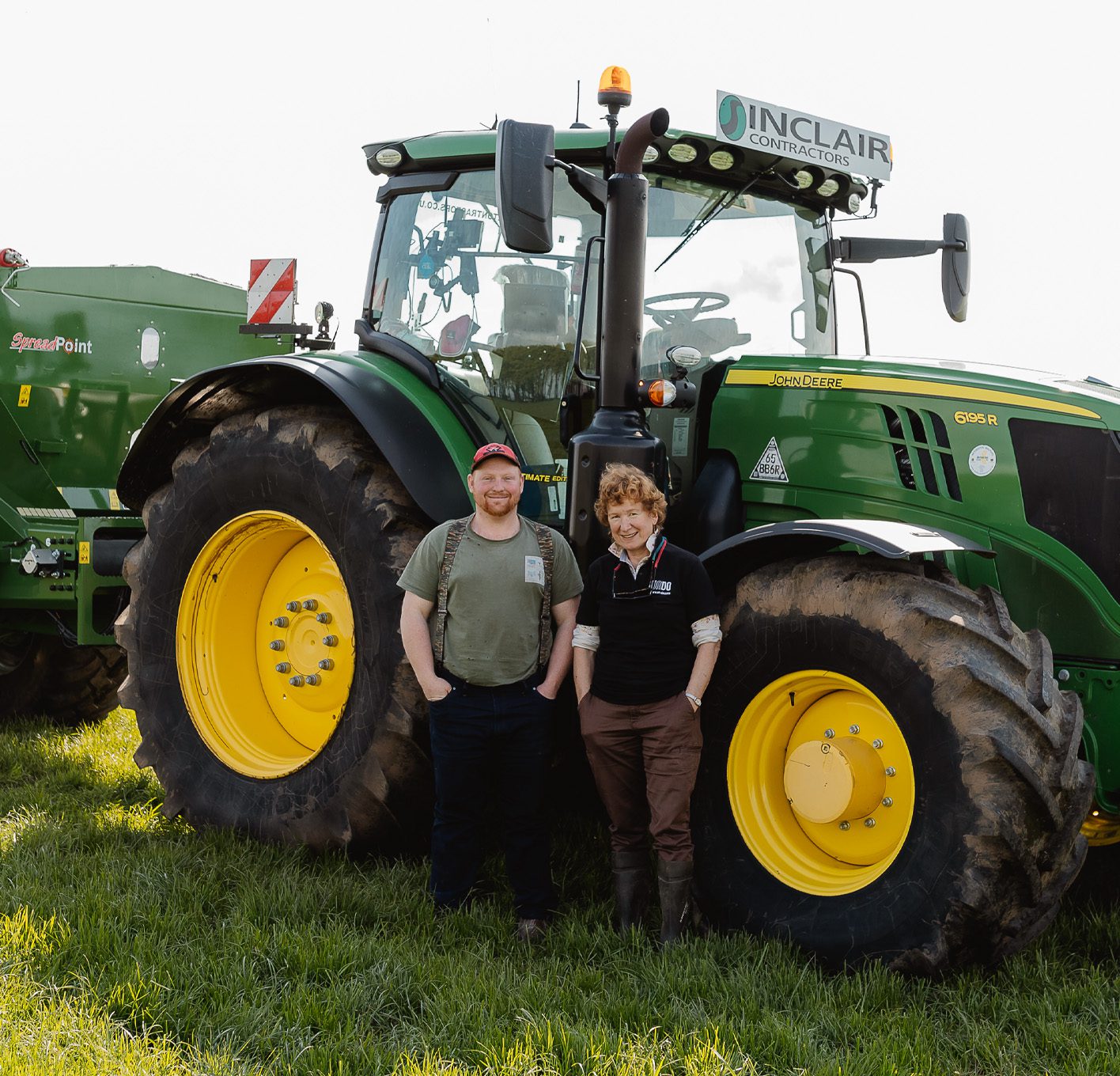
This is where UNDO’s field team plays an important role. The program is not built around asking farmers to make major changes overnight. It starts with understanding the farm, the fields, the logistics, and the timing. Our team works with farmers to answer practical questions, review land suitability, coordinate next steps, and make the process as straightforward as possible.
The UNDO Program and Kingston Wollastonite Rebate
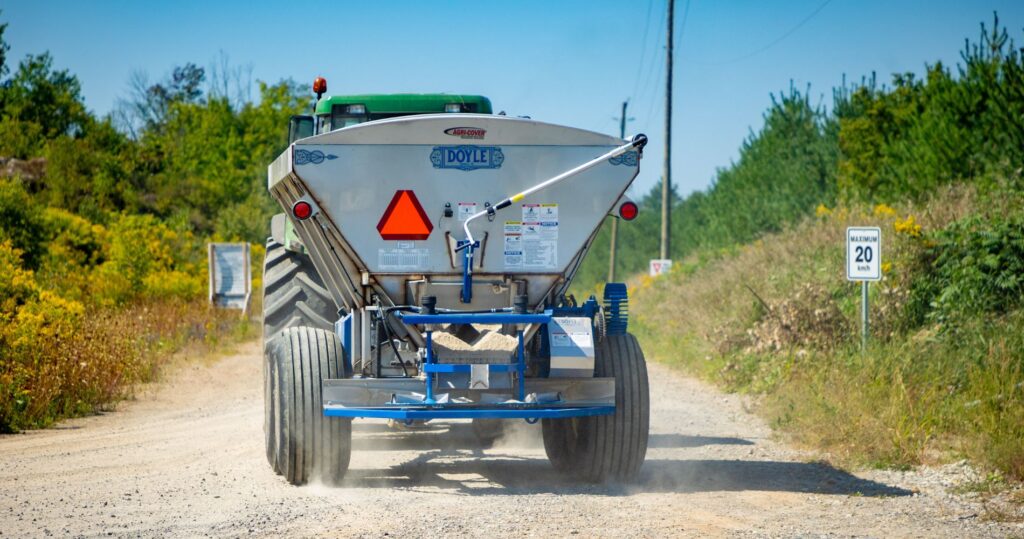
Through the UNDO farmer program, eligible farms can access wollastonite for use on their land, with UNDO covering the costs of both the material and spreading. Farmers typically only contribute to trucking costs, while UNDO manages the carbon removal measurement and verification work behind the program.
For farmers within the City of Kingston municipal boundary, the Kingston Wollastonite Rebate adds an important local opportunity in 2026.
The program combines local support with UNDO’s additional funding commitment to help eligible farmers access wollastonite with full costs covered for material, spreading, and trucking. Funding is capped and available on a first-come, first-served basis, so farmers in the City of Kingston are encouraged to check whether their land qualifies early in the season.
This is particularly relevant as farms move through hay season and begin thinking ahead to late summer, fall fieldwork, and next year’s nutrient planning. For farms close to the source, the rebate can reduce two of the biggest practical barriers to trying wollastonite: logistics and cost.
The program is built to be practical. Farmers keep control of their land and cropping decisions, while UNDO and its partners support the logistics, spreading, and measuring carbon capture.
A Practical Tool For Eastern Ontario Soils
Every field is different. Soil type, crop history, drainage, nutrient status, compaction, organic matter, weather, and management all shape how a field performs.
For Eastern Ontario farmers, especially those managing hay, pasture, forage, and mixed rotations, calcium deserves more attention. It helps build the conditions crops rely on below the surface, from stronger rooting to better soil structure and plant development.
As the season moves from first cuts into summer growth, now is a good time to look at which fields are performing well, which ones are under pressure, and where a low-disruption mineral amendment like wollastonite could support the next stage of the farm’s soil health plan.

Interested In Wollastonite For Your Fields?
UNDO helps eligible Eastern Ontario farmers access wollastonite from Canadian Wollastonite near Seeley’s Bay, with logistics and spreading support included.