 How to Become a Net Zero Company

 Our Technology
 Climate Glossary
 " />
" />
New national polling from Carbon Removal Canada landed a clear signal.
Nearly two-thirds of Canadians support carbon removal, and four in five say it is vital to the country’s long-term success. Canadians also connect climate action to real outcomes. Many say their support for projects depends on clear evidence of climate benefit, and they reward leaders who act with credibility. This is a strong foundation for a sector that is already taking root in communities across the country.
The signal extends to business and politics. A majority of Canadians view companies more favorably when they invest in carbon removal, and are more likely to vote for candidates who support it. People also see the economic upside; two-thirds believe carbon removal can create jobs and grow the economy as part of a broader climate strategy. When communities ask for both climate and financial benefits, it creates the conditions for durable projects to scale.
Support is broad-based. Quebec and Ontario lead in overall support, and motivations vary by region from innovation leadership in British Columbia, to agricultural co-benefits in Saskatchewan and Manitoba, to resilience and local climate impacts in Atlantic Canada. That diversity matters; it points to a sector that must be responsive to local priorities while staying grounded in shared national goals.
Canadians Want Evidence, Safeguards, and Smart Policy
The polling is specific about what people expect. Majorities back practical policy tools that help the best projects succeed, including corporate standards, integration into climate strategies, tax incentives for deployment, streamlined permitting, innovation funding, and government procurement. In short, Canadians want carbon removal built into the plan, not added as an afterthought.
Community voice is also non-negotiable. Strong support for local consultation reflects a desire to see projects designed with, not just for, the places where they operate. When developers show their work, share data openly, and build local benefits into the core of the project, public trust grows and stays earned over time.
This is a mandate for standards and transparency. The policy direction is clear, and so is the expectation that projects deliver tangible outcomes in the regions where they are hosted. That is the path to lasting scale.
What This Looks Like on the Ground

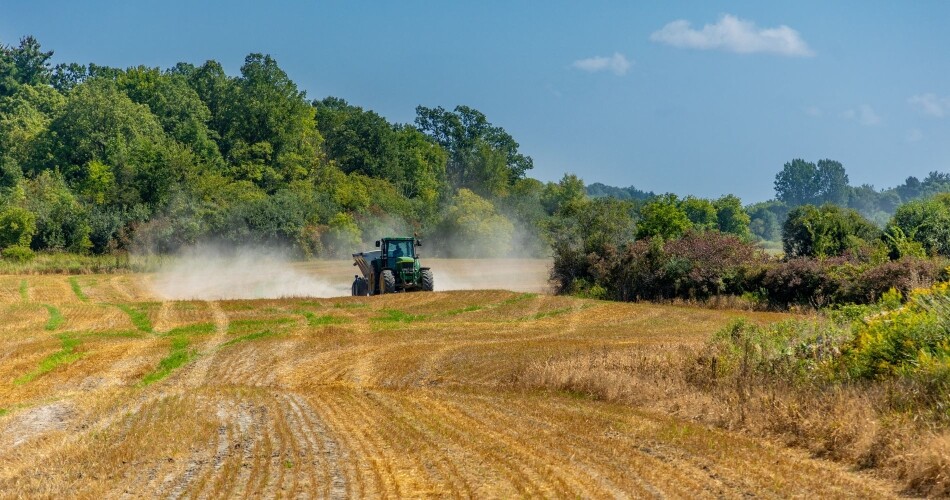
Enhanced rock weathering is a practical example of how to turn that mandate into results. Crushed silicate rock, like wollastonite, is applied to farmland, where rainwater helps drive natural reactions that lock away carbon over geological timescales. The approach uses existing equipment and farm supply chains, which lowers adoption barriers and keeps activity rooted in local economies.
Credibility comes from measurement. The carbon balance depends on what happens on the ground over time under real weather conditions. That is why projects need monitoring sites, strong data systems, and independent checks. When a tonne removed in a model is tied to a tonne of rock on a specific farm, stakeholders can follow the evidence and have confidence in the results.
For communities, this is also about fit. Projects that align with cropping calendars and existing logistics are more likely to deliver benefits with minimal disruption. Done well, enhanced rock weathering can sit comfortably alongside everyday farm operations.
How UNDO is Contributing in Ontario

In Ontario, UNDO partners with Canadian Wollastonite to deploy our enhanced rock weathering operations. During the XPRIZE Carbon Removal demonstration, the team removed 1,209 tonnes of CO₂ net, based on empirical field data, after accounting for lifecycle emissions and conservative loss factors. That work involved spreading 34,000 tonnes of nutrient-dense wollastonite and operating 30 monitored sites, all tracked end to end in our NEWTON system to support third-party verification.
The approach is designed to scale responsibly. All operational and science data feed into a single system of record, NEWTON, which links each tonne of carbon removal back to a specific rock source and field. The verification package submitted for XPRIZE was grounded in measurements rather than assumptions, with Energis serving as an independent verifier of the calculations.
Ontario is our blueprint for a mature commercial region. The province combines suitable geology, farm demand, and logistics that can handle seasonal work at scale, and the cost curve improves as deployment grows. That combination, evidence plus execution, is what Canadians say they want to see.
Co-benefits for Farmers Using Wollastonite

Wollastonite supplies plant-available silicon that supports stronger, more resilient crops. Silicon is taken up by roots and deposited in cell walls, helping plants build tougher tissues and maintain canopy integrity. In the soil, it supports healthier root systems and interacts with microbial processes that underpin nutrient cycling.
Stronger plants are also better at defending themselves. Peer-reviewed studies show that silicon can prime plant defense pathways and reduce the severity of common fungal diseases such as powdery mildew and Fusarium. That defense priming can also improve tolerance to environmental stressors, such as heat, drought, or salinity, helping stands hold up during tough seasons.
For farmers, our wollastonite farmer program can boost crop resilience and reduce disease losses, and it aligns with everyday field practices. Backed by local evidence and ongoing support, the program helps you get consistent plant health benefits from wollastonite.
Measurement that Meets the Canadian Standard
The polling shows Canadians want visible benefits and credible safeguards. UNDO’s MRV approach is built to meet that standard. We collect intensive field measurements at dedicated sites, calibrate models to local data, and use a dedicated data system so every spread operation is traceable for verification. We focus on transparency and open dialogue in the communities where we operate.
Independent checks matter too. For the XPRIZE demonstration, our calculations were subject to third-party review by two independent VVBs, and the documentation captured both gross removal and deductions for lifecycle emissions and potential downstream losses. That level of transparency is how we plan to keep trust as we scale.
As projects move from pilot to regional scale, the same rules apply. Publish the methods, show the measurements, and link every tonne to the work on the ground. This is how public support turns into durable capacity.
The Path Forward in Canada
Canadians back standards, investment, and permitting clarity that help high-quality projects grow, and they expect developers to bring communities into the process from the start. That alignment can unlock jobs, strengthen supply chains, and deliver climate results in the places where the work is done.
“This survey confirms Canadians are ahead of the curve — awareness of permanent carbon removal is growing, and so is recognition of its economic potential.”
Na’im Merchant, Executive Director, Carbon Removal Canada
For Ontario farmers, UNDO’s program offers a practical way to improve soils while contributing to permanent carbon removal, with deployment designed around cropping schedules and local logistics. For businesses, durable removals from farmland in Canada are available through offtakes backed by transparent MRV. For policymakers, the polling points to a clear mandate: set standards, integrate removals into climate plans, and use procurement to reward quality.
Canadians are ready for carbon removal that delivers climate results, farm value, and community benefits. UNDO’s work with wollastonite in Ontario is built to do precisely that, one farming season, one dataset, and one region at a time.

Read the full report from Carbon Removal Canada
See what Canadians think about carbon removal. Clear results, regional insights, and takeaways for business and policy.
